
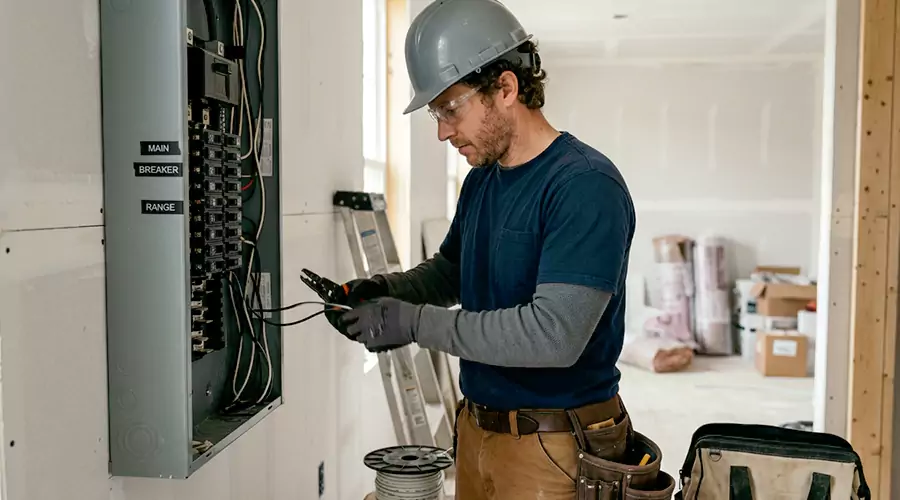
Choose a licensed residential electrician by checking the license on your state website, confirming active status and correct classification for your project. Ask for proof of liability insurance and workers’ compensation to protect your property and finances. Review a written estimate that clearly lists the work, materials, and total cost. Look at recent local reviews to confirm reliability and quality. Ask who will perform the work and if permits will be handled. Avoid contractors who refuse documentation or provide vague pricing. A qualified electrician communicates clearly, follows code, and delivers work that passes inspection without issues.
Why Hiring a Licensed Electrician Matters
A licensed electrician has completed training and passed exams required by the state. This process confirms knowledge of safe wiring methods and code compliance. Licensed work reduces the risk of overheating wires and electrical failure.
Code Compliance Protects Your Home
Electrical codes set minimum safety standards for all installations. A licensed electrician follows these rules during every project. Code-compliant work passes inspections and prevents future hazards.
Start With License Verification
Every state in the U.S. requires electricians to hold an active license for most residential work. You can confirm this in minutes through your state licensing board website.
What to Confirm on the State Site
- License status shows active and in good standing.
- Expiration date is current.
- Classification matches your project type.
Confirm Insurance Before Any Work Begins
Insurance protects you if something goes wrong during the job. A contractor without proper coverage exposes you to financial risk.
Minimum Coverage to Ask For
- Liability insurance for property damage.
- Workers’ compensation for on-site injuries.
- Certificate of insurance with current dates.
Check If Permits Will Be Pulled
Permits are required for many electrical jobs such as panel upgrades or new circuits. A licensed electrician should handle this without being asked.
Jobs That Usually Require Permits
- Electrical panel replacement.
- Adding new circuits.
- Major rewiring work.
Evaluate Experience Based on Your Project
Not all electricians handle the same type of work. Matching experience to your project improves results and reduces delays.
Examples of Experience That Matters
- Panel upgrades for homes with modern appliances.
- Troubleshooting recurring electrical issues.
- Wiring for remodels or additions.
Compare Electricians Using Key Criteria
Comparing more than one electrician helps you understand fair pricing and service quality in your area.
| Factor | What to Check | Why It Matters |
|---|---|---|
| License | Active and verified | Confirms legal qualification |
| Insurance | Current coverage | Protects your property |
| Estimate | Clear scope | Prevents extra charges |
| Reviews | Recent local feedback | Shows real performance |
| Experience | Similar jobs completed | Reduces mistakes |
Professional Licensed Electricians and Why They Matter
Licensed electricians are trained to complete residential electrical work according to current safety standards and electrical codes. They typically verify that electrical systems meet local regulations, obtain permits when required, and follow approved installation and repair practices. Their qualifications help reduce the risk of electrical hazards and code violations.
Licensed electricians commonly perform electrical panel upgrades, install new circuits, troubleshoot electrical problems, and improve overall electrical safety. Many projects also require inspections to confirm that the completed work complies with applicable codes. Using a qualified electrician helps ensure electrical systems remain safe, reliable, and suitable for long-term use.
Review a Written Estimate Carefully
A clear estimate tells you exactly what will happen during the job. It also prevents pricing disputes once work starts.
Details That Must Be Included
- Exact scope of work to be completed.
- Type of materials and components used.
- Total cost with no vague allowances.
Understand the Timeline Before Hiring
You should know when the work will start and how long it will take. Clear timelines help you plan around the project.
What a Realistic Timeline Includes
- Scheduled start date.
- Estimated completion window.
- Plan for inspection scheduling.
Check Reviews and Reputation
Customer reviews offer insight into real job performance. Consistent feedback reveals how the electrician handles work and communication. Reliable contractors maintain steady ratings over time.
What Strong Reviews Usually Mention
- Work completed on schedule.
- Clear communication during the job.
- Clean job site after completion.
Ask About Labor Warranties
A labor warranty covers issues related to workmanship after completion. Coverage terms vary depending on the contractor. Written warranty details provide protection if problems arise.
Why Warranty Coverage Matters
Warranty support shows confidence in the completed work. Clear terms help avoid disputes. Protection continues after the project ends.
Know Who Will Perform the Work
Some companies assign different crews after the estimate. You should know who will be working on your home. Clear roles improve accountability and quality.
Details to Confirm
- Licensed electrician on site.
- Supervision of helpers or apprentices.
- Point of contact during the project.
Evaluate Safety Practices
Safe work habits reduce the risk of injury and damage. A professional electrician tests circuits before starting work. Proper procedures prevent contact with live wires.
Signs of Safe Work Practices
- Use of protective gear shows attention to safety.
- Careful handling of wiring reduces hazards.
- Consistent safety measures reflect strong training.
Watch for Red Flags
Certain warning signs indicate potential problems. Lack of license or insurance creates serious risk. Vague estimates often lead to unexpected costs.
Red Flags That Should Stop You
- No proof of license or insurance.
- Unclear or verbal estimates only.
- Pressure to start immediately.
Understand Common Electrical Services
Knowing basic services helps you understand what your home may need. Electricians handle repairs, upgrades, and safety improvements. Each service supports safe electrical function.
Panel Upgrades Improve Capacity
Electrical panels distribute power throughout your home. Upgrades increase capacity for modern appliances. This prevents overload and improves performance.
Outlet and Switch Repairs Improve Safety
Worn outlets can create fire hazards over time. Replacement improves reliability and function. Safe outlets reduce electrical risk.
Surge Protection Prevents Damage
Power surges can damage electronics and appliances. Whole-home surge protection reduces this risk. Proper installation protects valuable equipment.
Understand Payment Terms Before Work Begins
Clear payment terms prevent confusion during the project. Most electricians require a deposit before starting work. Final payment is usually due after completion.
What to Expect in Payment Agreements
- Avoid paying the full amount upfront.
- Written terms should outline payment stages clearly.
- Proper agreements protect both parties.
Consider Emergency Services Availability
Electrical issues can happen at any time. Some electricians offer emergency services for urgent situations. Quick response helps prevent further damage.
When Emergency Service Is Necessary
Loss of power or burning smells require immediate attention. Delayed repairs can increase safety risks. Fast action protects your home.
Plan for Final Inspection and Walkthrough
A proper job ends with inspection and testing. This confirms everything works correctly and meets code.
What Happens at Project Completion
- Final inspection approval if required.
- Testing of outlets and circuits.
- Review of completed work with you.
Keep All Project Documentation
Documentation helps if you sell your home or file an insurance claim. It also provides a record of what was done.
Documents You Should Keep
- Permit and inspection records.
- Final invoice with scope of work.
- Warranty details.
Make a Confident Hiring Decision
Choosing the right electrician requires careful evaluation of credentials and communication. A licensed professional who follows code and provides clear documentation delivers safe results. Taking time to review each factor leads to a successful project and long-term peace of mind.